 01
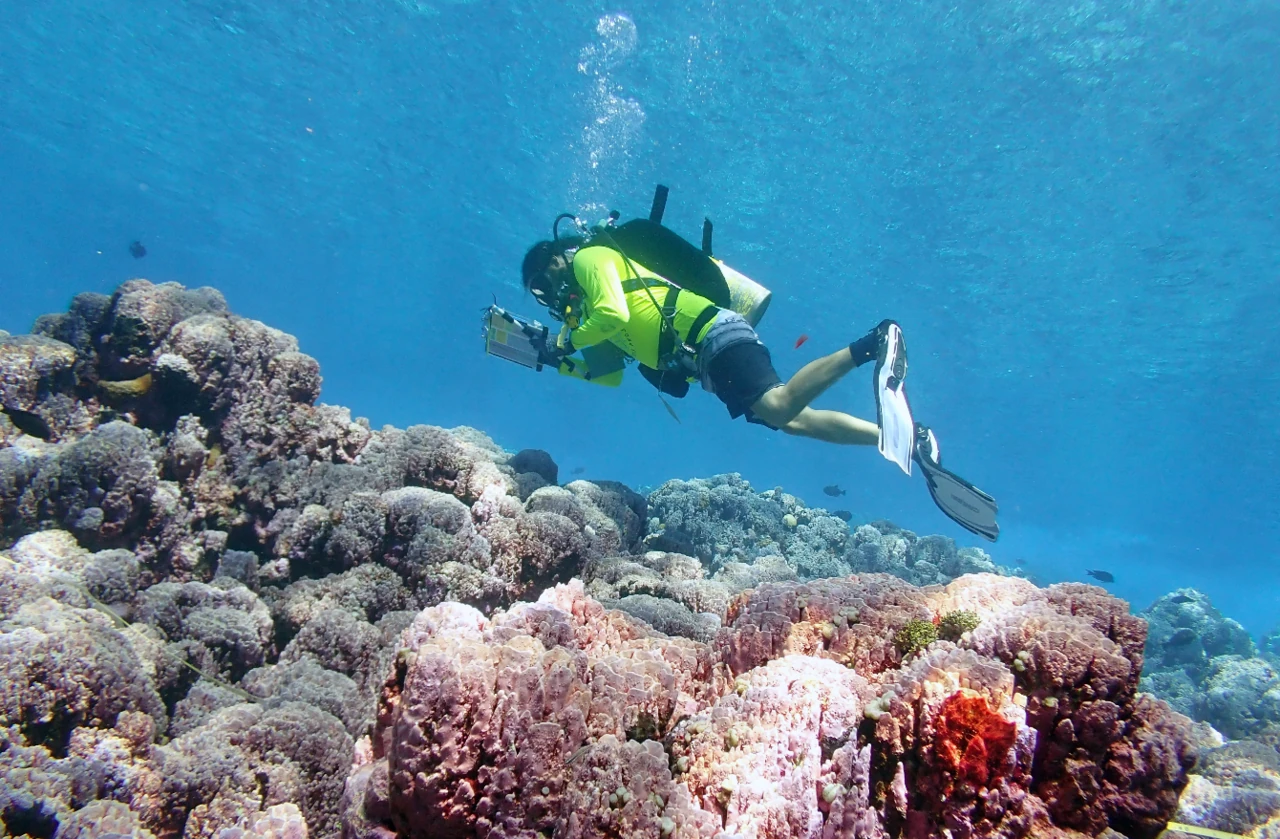
A closer understanding
Conservation
Meaningful participation alongside the people protecting wildlife and habitats. Time to observe, understand and contribute.
Wildlife · Fieldwork · Habitat care
Explore this route 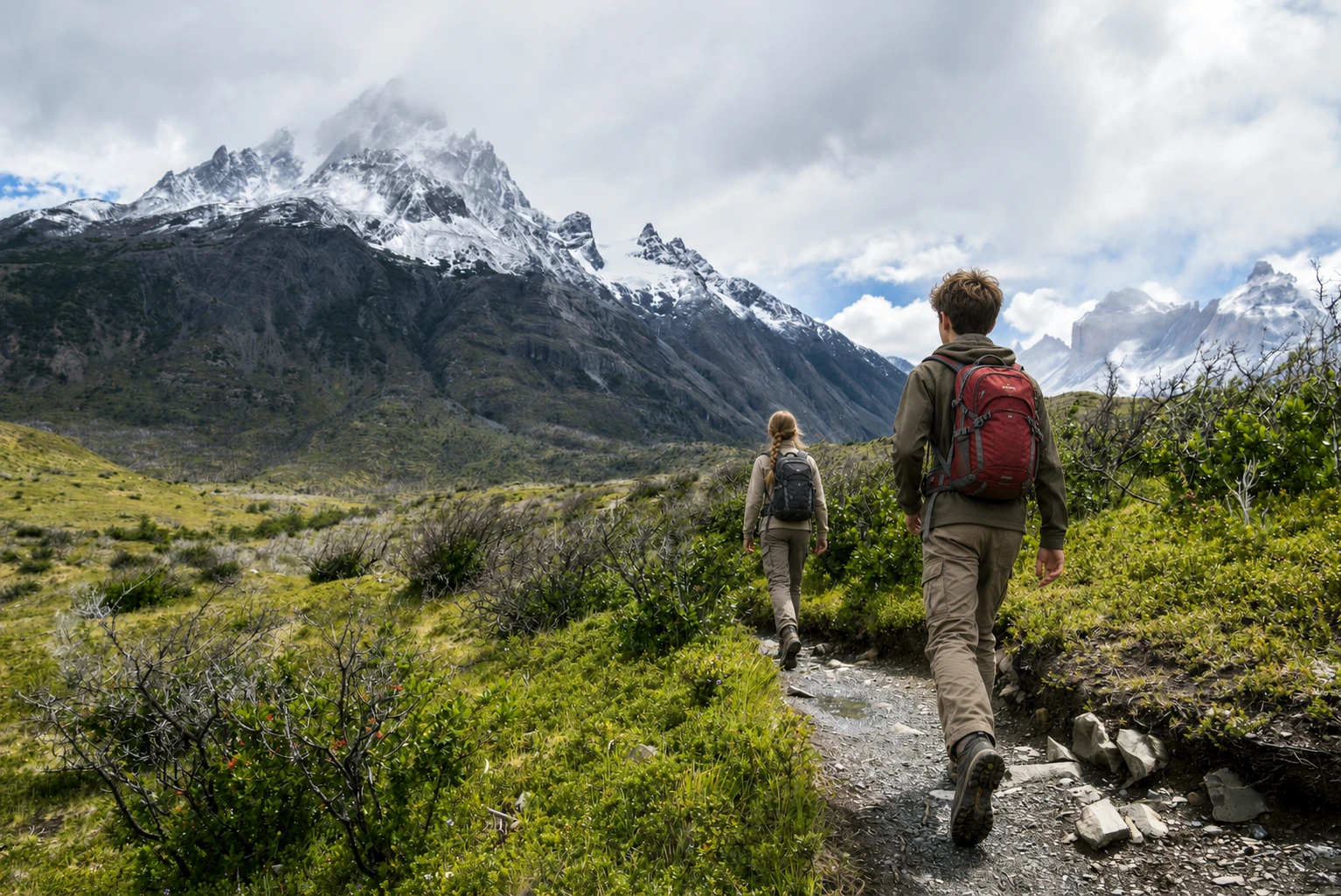
A lifelong connection starts here
Conservation and expedition programmes for young people — extraordinary experiences that turn curiosity into connection, and connection into lasting care.
Know it. Love it. Protect it.
Three routes. One purpose.
A fascination with wildlife. A desire for adventure. The time to experience both. Each route offers a different beginning — and the same ambition: a lasting connection with nature and a lifelong desire to protect it.
01A closer understanding
Meaningful participation alongside the people protecting wildlife and habitats. Time to observe, understand and contribute.
 02
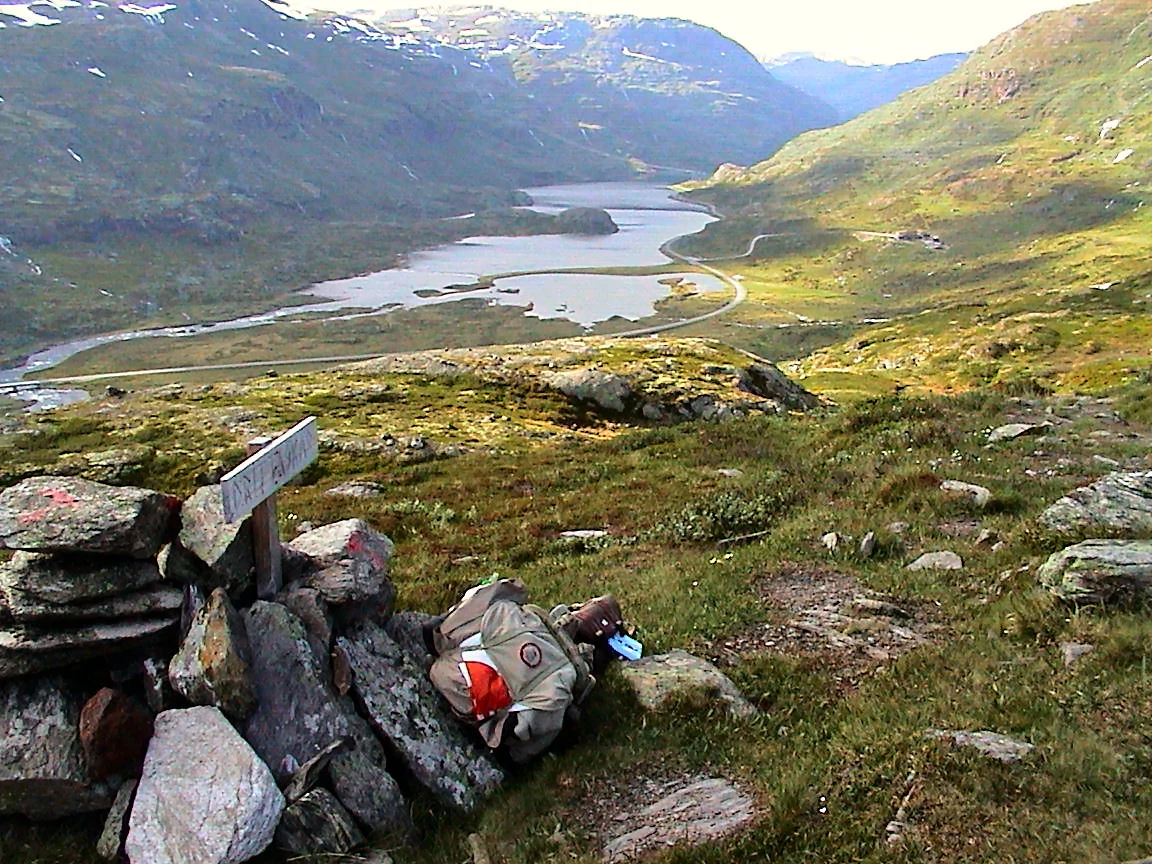
A wider perspective
Journeys through wild places that build confidence, curiosity and a sense of belonging in the natural world.
 03
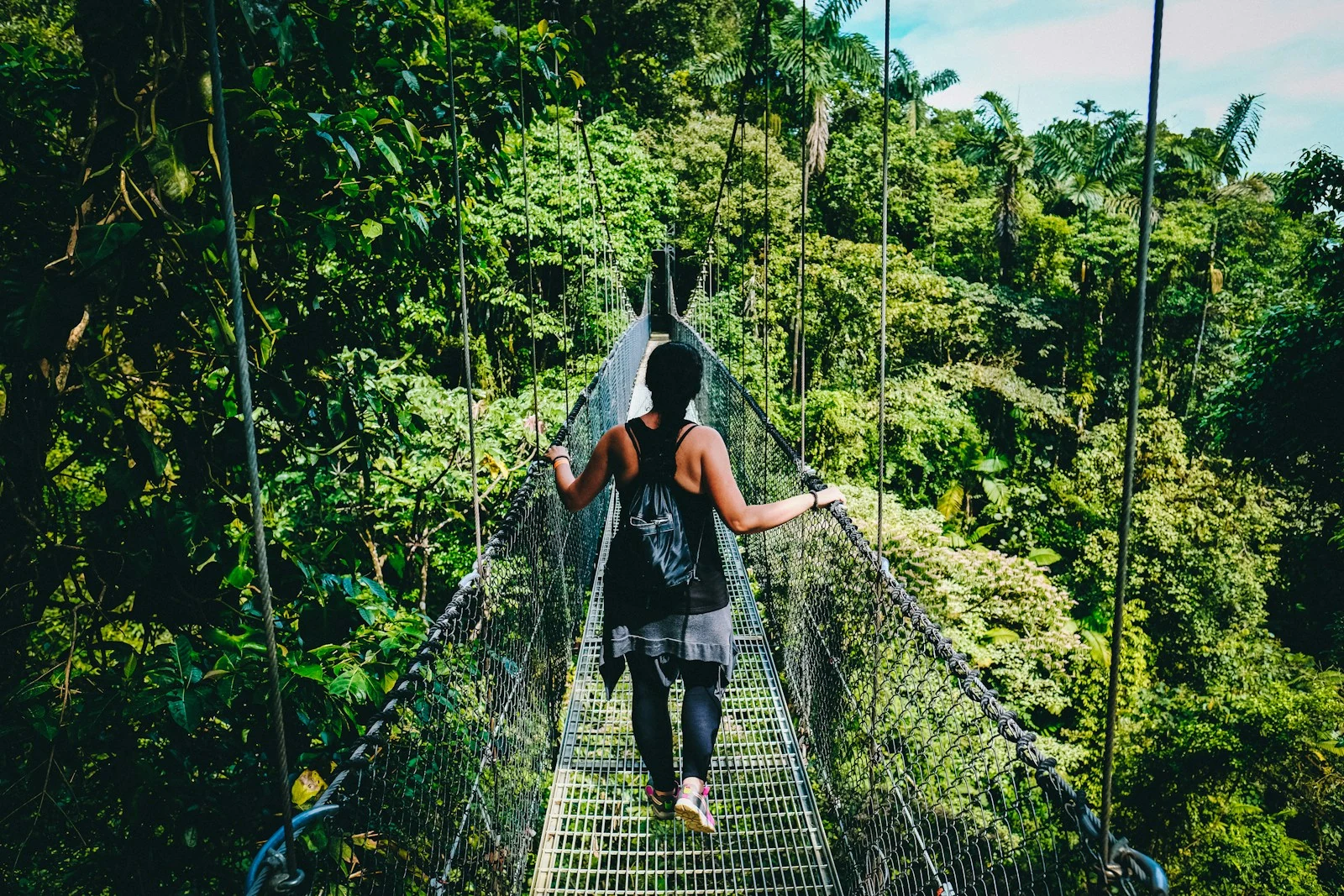
A deeper connection
Extended journeys combining sustained conservation participation with the freedom and challenge of an expedition.
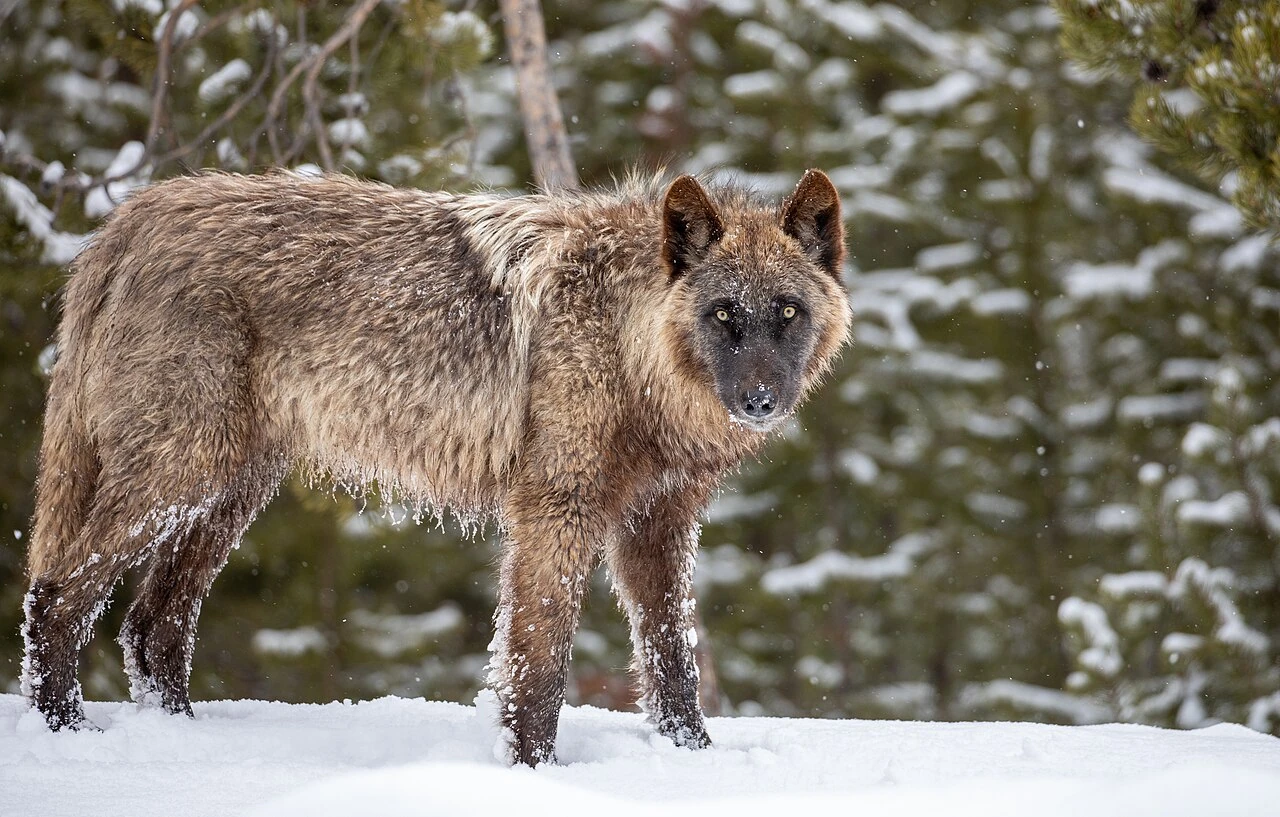
Our founding belief
So give young people the opportunity to know the natural world.
Our philosophy
And, quietly, the fourth stage that pays it forward: Continue. The experience should change what happens long after the journey ends.
Encounter the natural world. Understand species, ecosystems, threats and communities — things a classroom can never fully teach.
Develop fascination. Build empathy. Create memories. Discover that nature is something you belong to.
Participate. Take responsibility. Volunteer. Advocate. Study. Change behaviour. Make a difference.
Begin an Impact Project. Stay involved. Mentor the next generation. Build a relationship with nature that lasts.
Choose the experience
Conservation is our founding commitment. Every route creates space for discovery, understanding and care.
More than a trip
Preparation before. Immersion during. Action after. A shared educational journey, shaped to each route and designed to create a connection that lasts.
Meet the ecosystem, explore the conservation question and prepare for suitable field methods.
Spend time alongside a field team, combining repeated wildlife observation with useful, supervised tasks.
Choose a realistic Impact Project, share what you learned and stay connected to the work.
The journey continues at home. Local wildlife monitoring, habitat care, school projects and later reconnection with the field team can turn a powerful experience into lasting involvement.
For schoolsA world to connect with
Twelve inspiring journeys across six continents. Each offers a different way to encounter the living world — from island species recovery to coastal journeys and desert coexistence.
Twelve inspiring journeys
Programmes in development
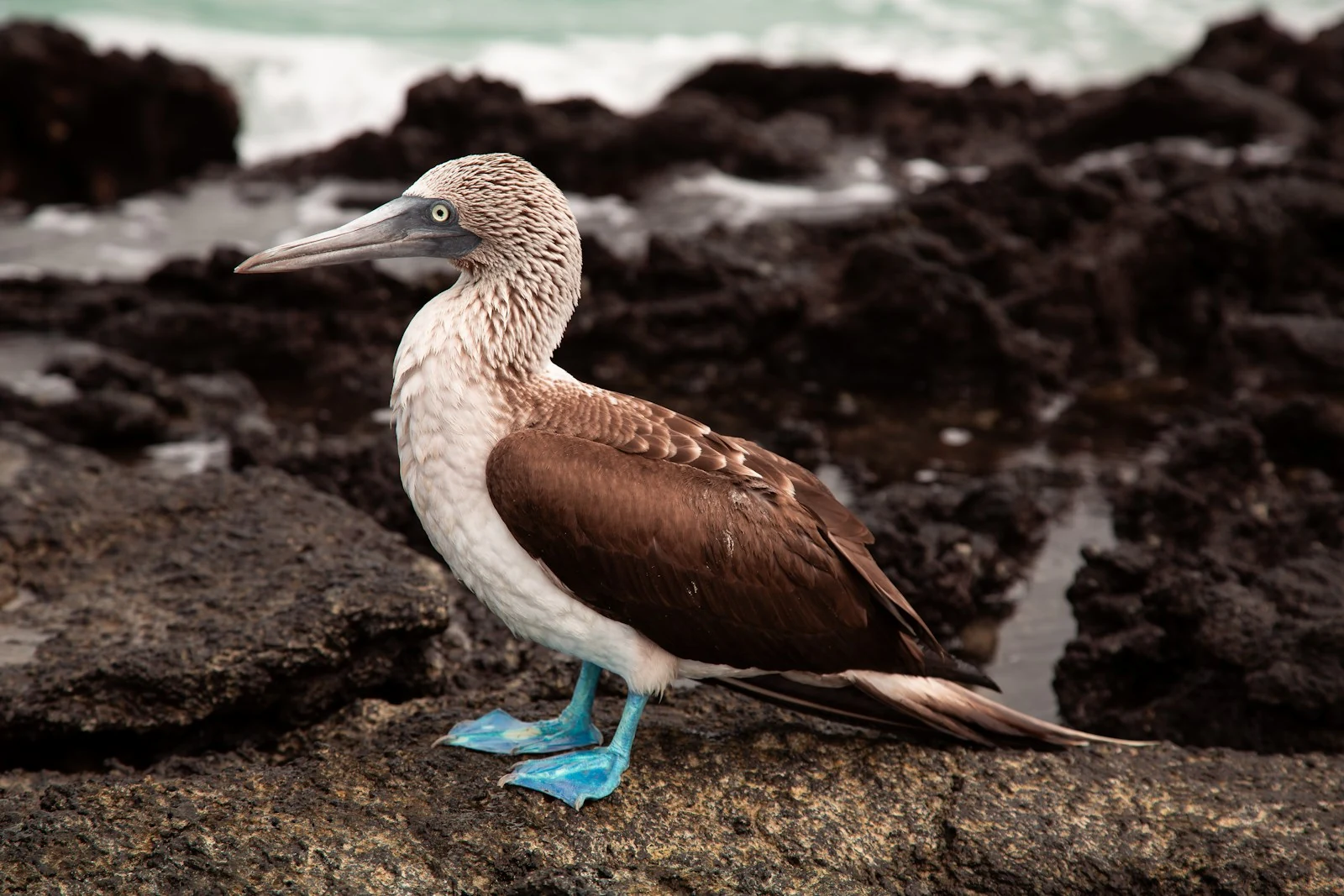 Conservation
Discover island wildlife and the science behind its protection.
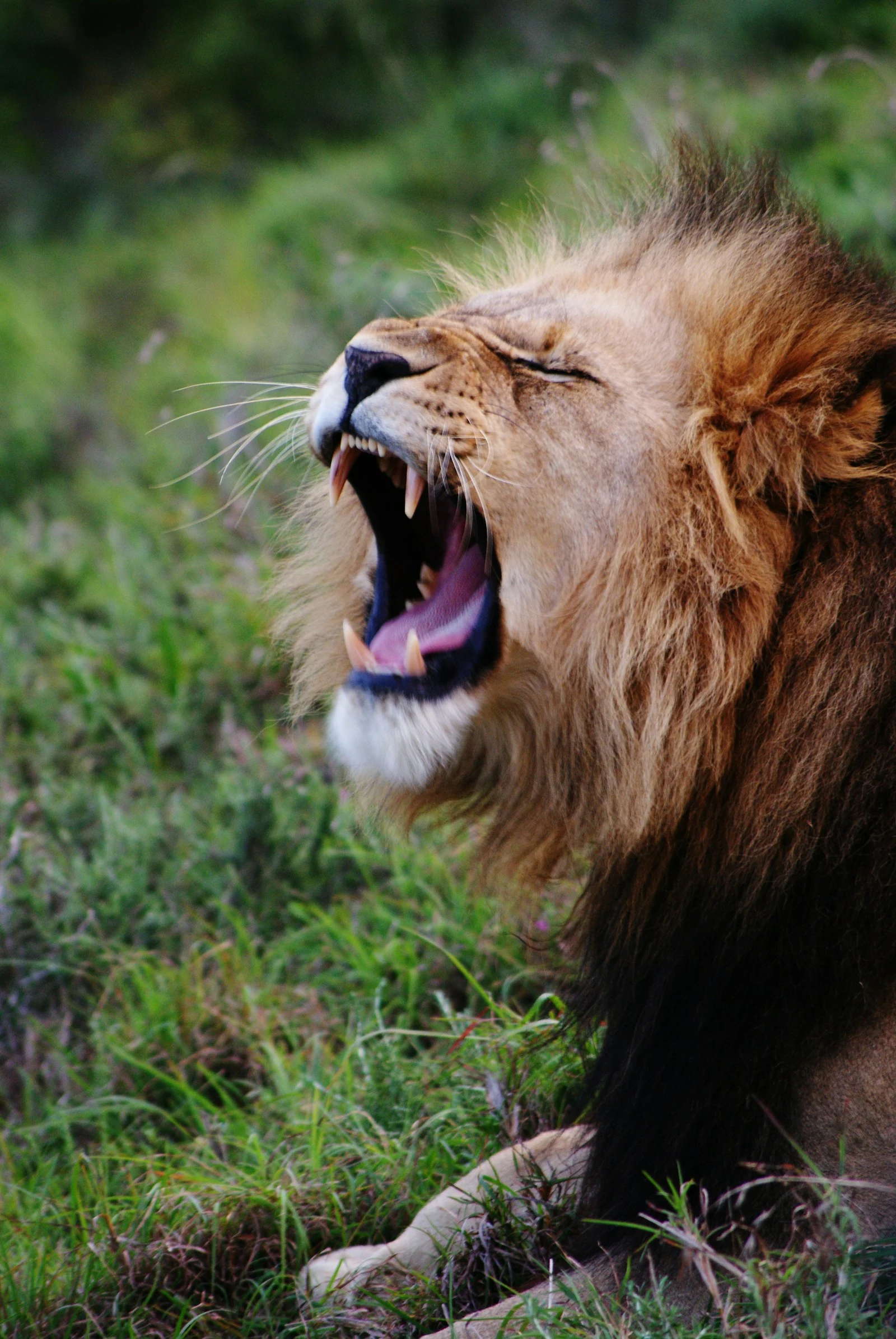 Conservation
Connect wildlife encounters with the daily work of caring for habitats.
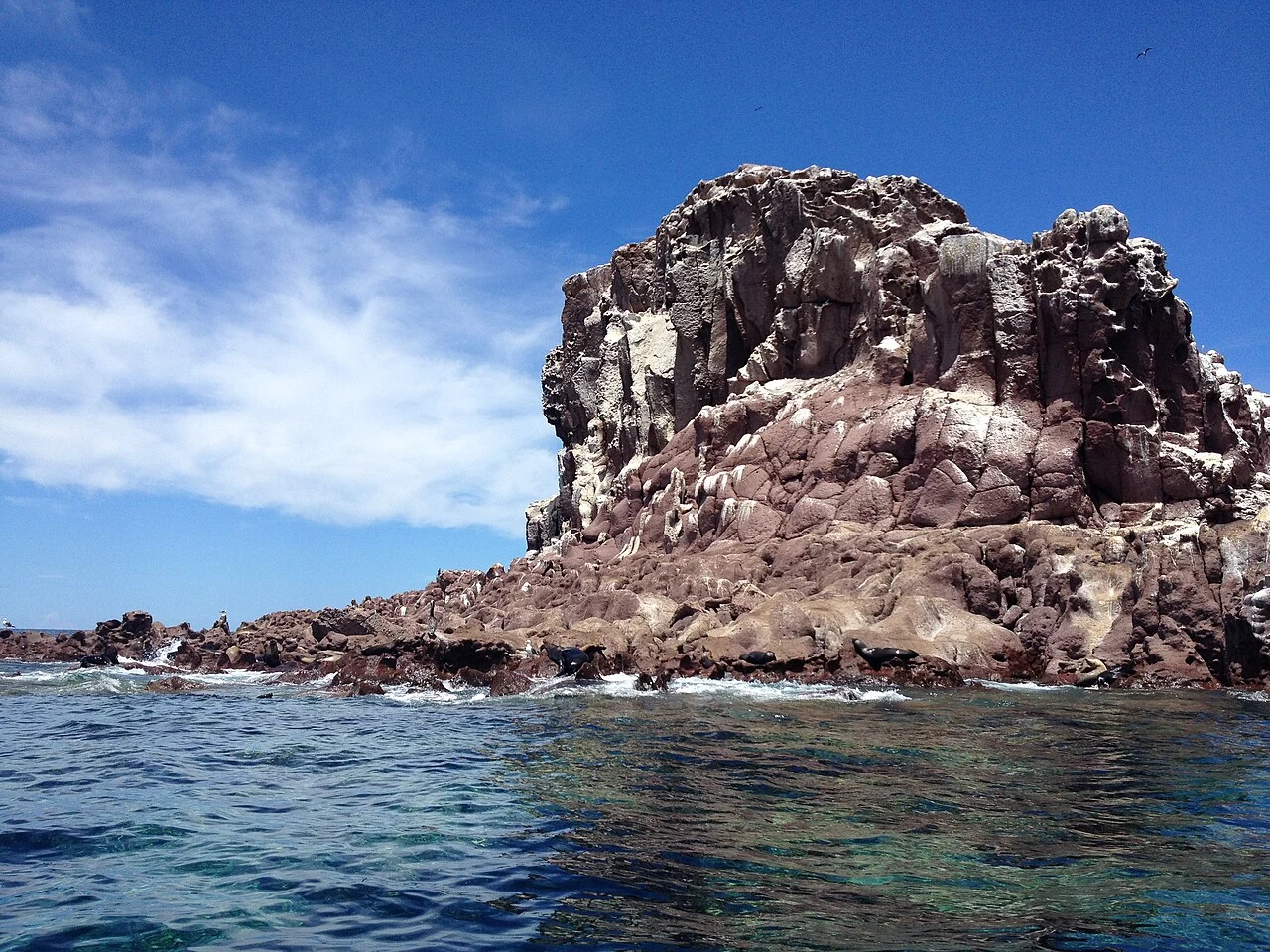 Conservation
Explore marine science in the Sea of Cortez and the life below the surface.
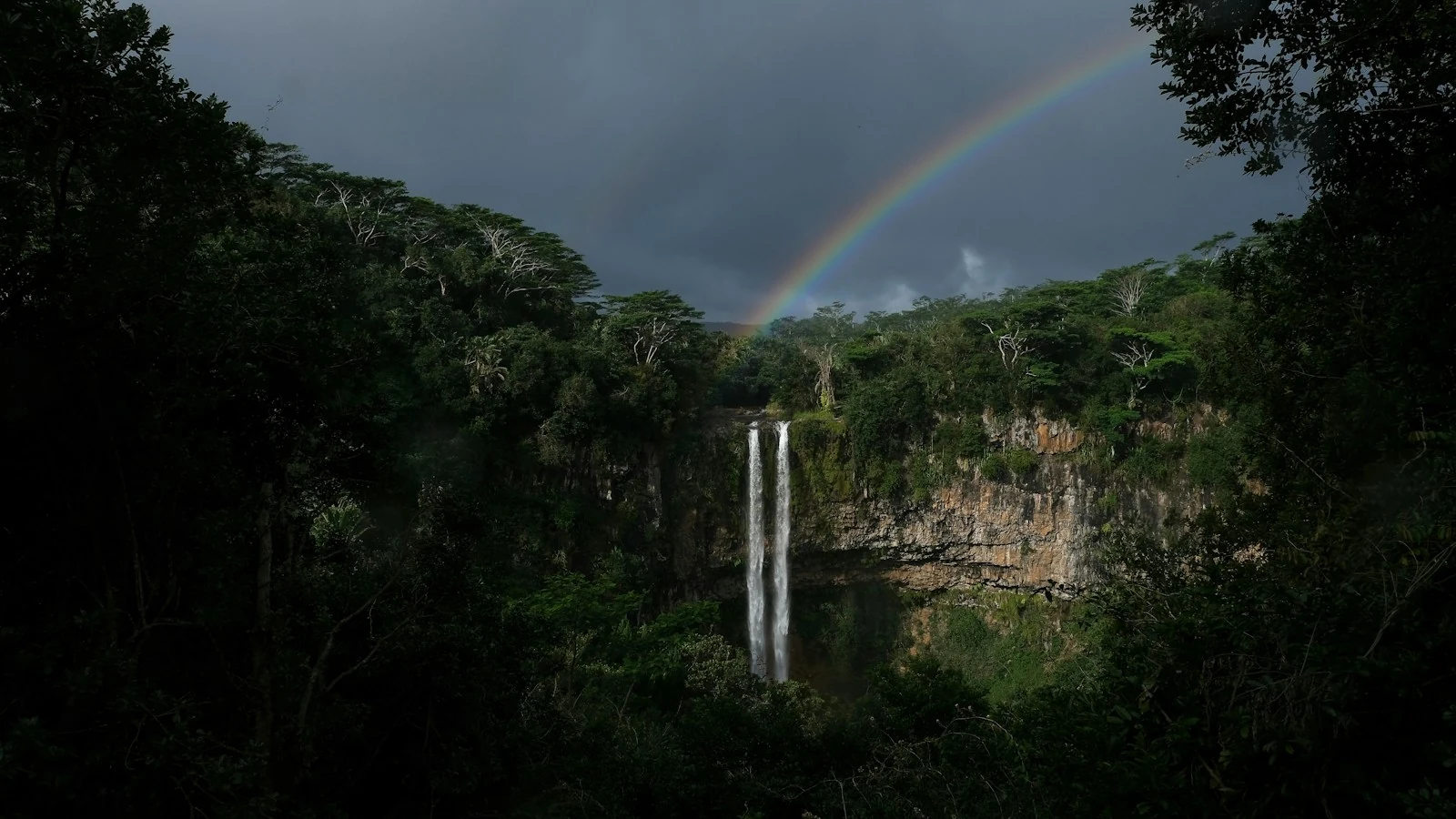 Conservation
Discover endemic birds and the native forests on which their recovery depends.
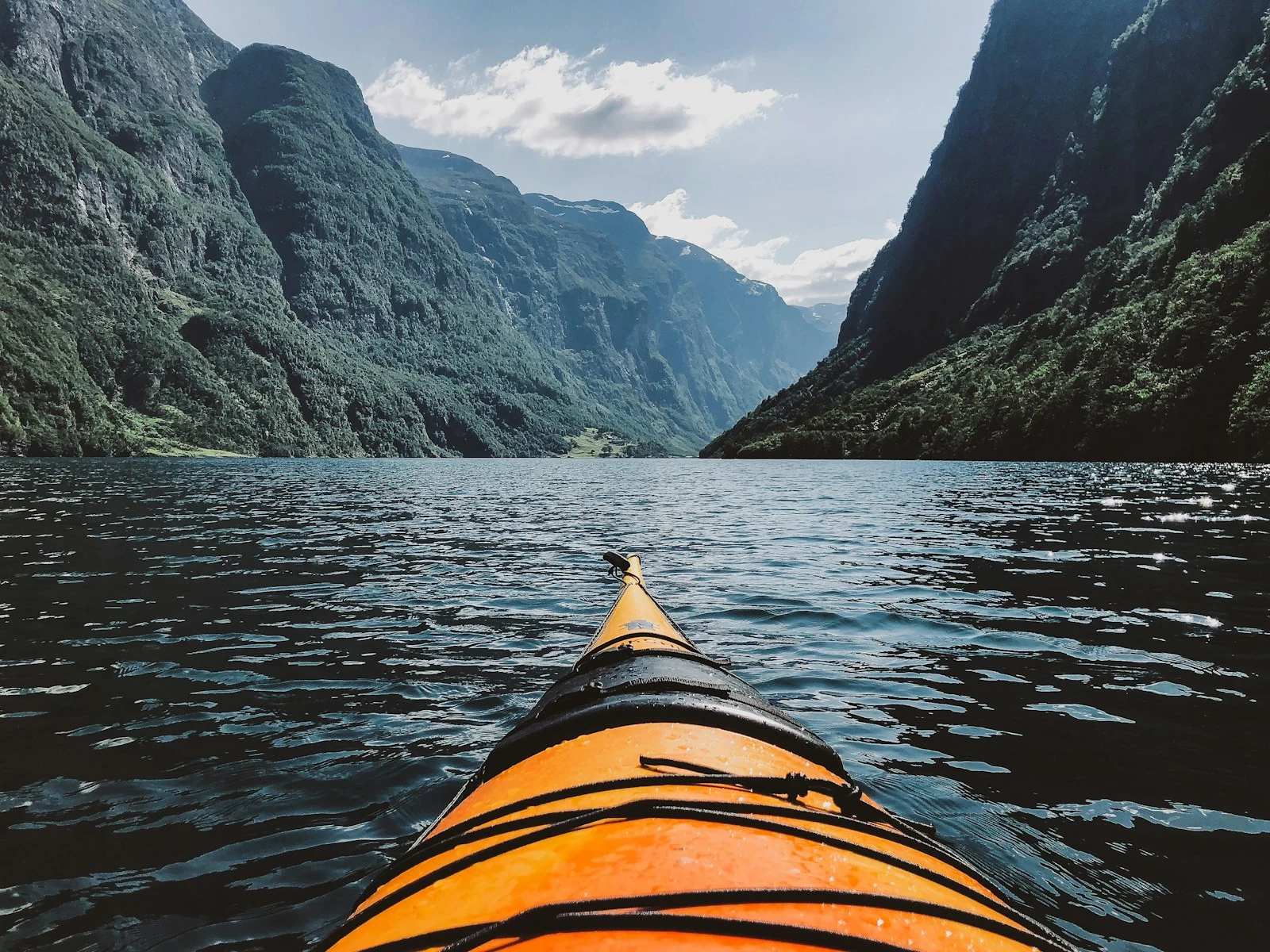 Expedition
Walk, paddle and camp among northern landscapes that invite you to look closer.
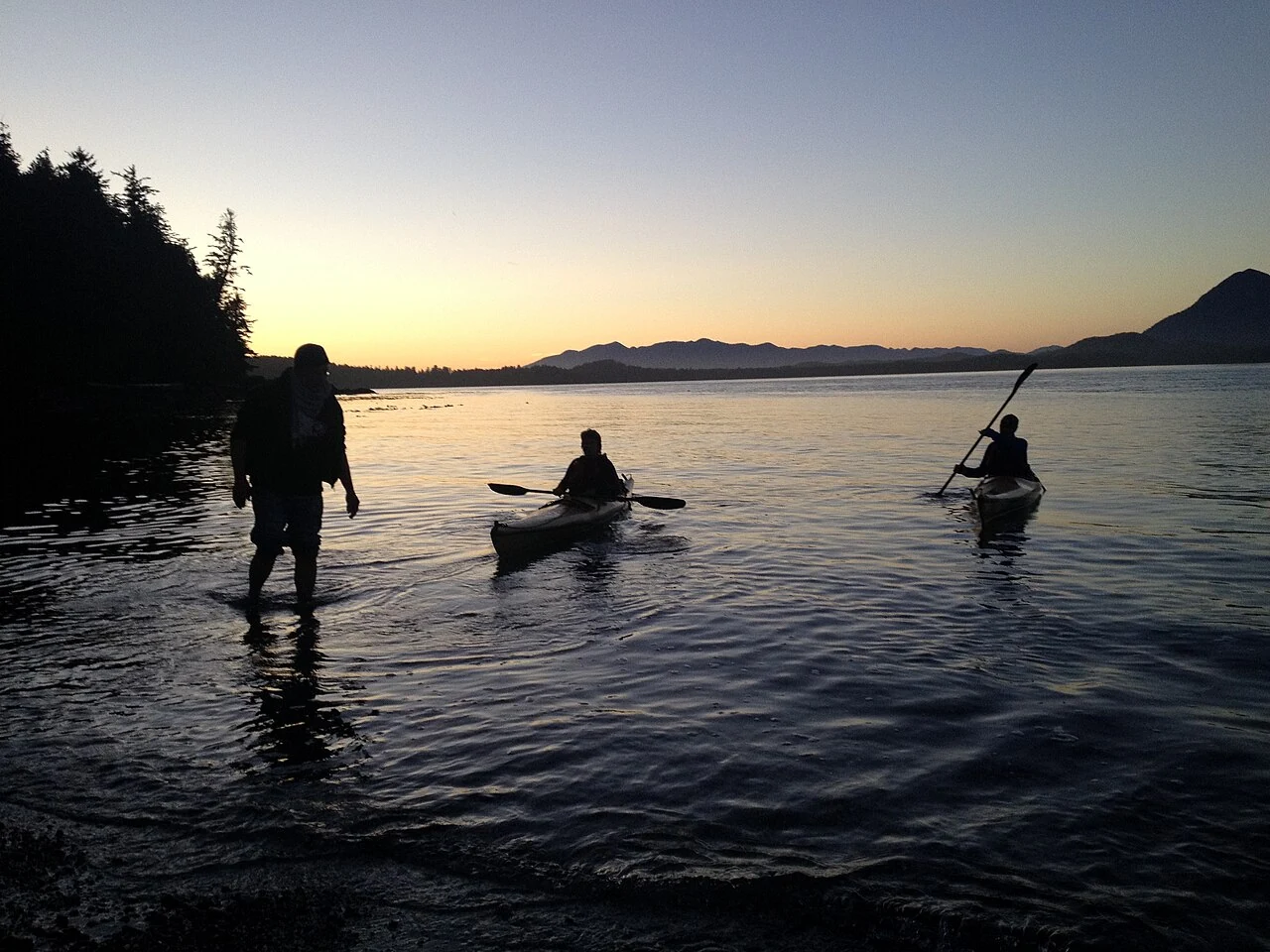 Expedition
Travel between temperate rainforest, sheltered waters and coastal camps.
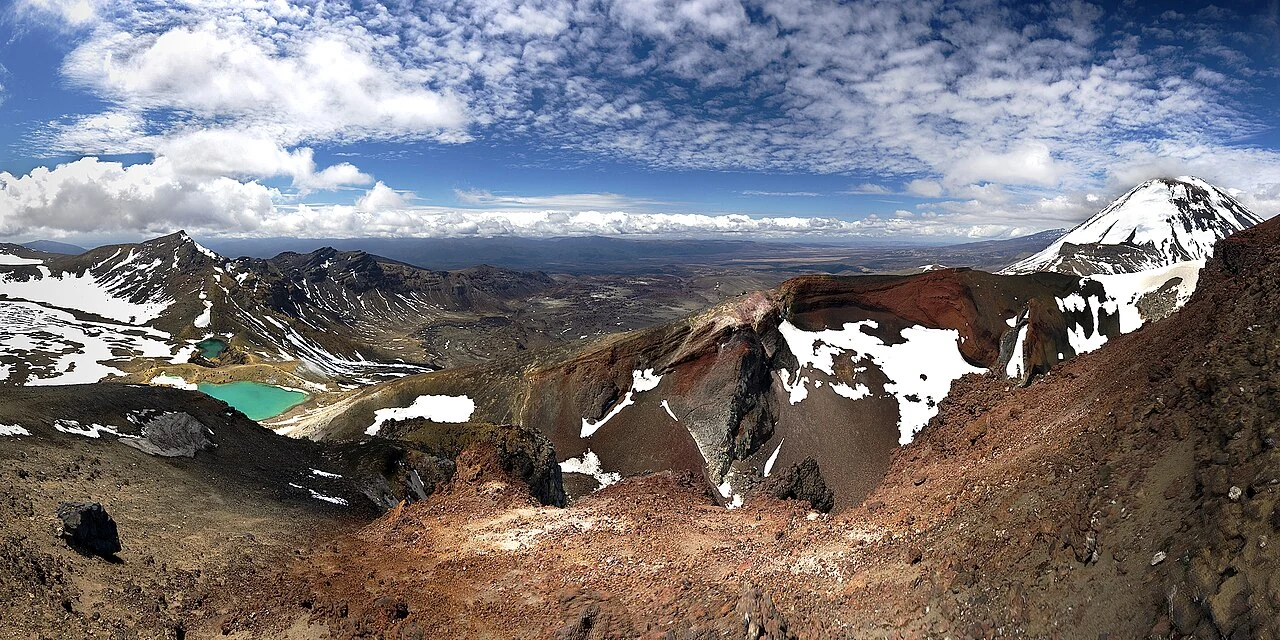 Expedition
Explore mountains, native forest and coast through active outdoor journeys.
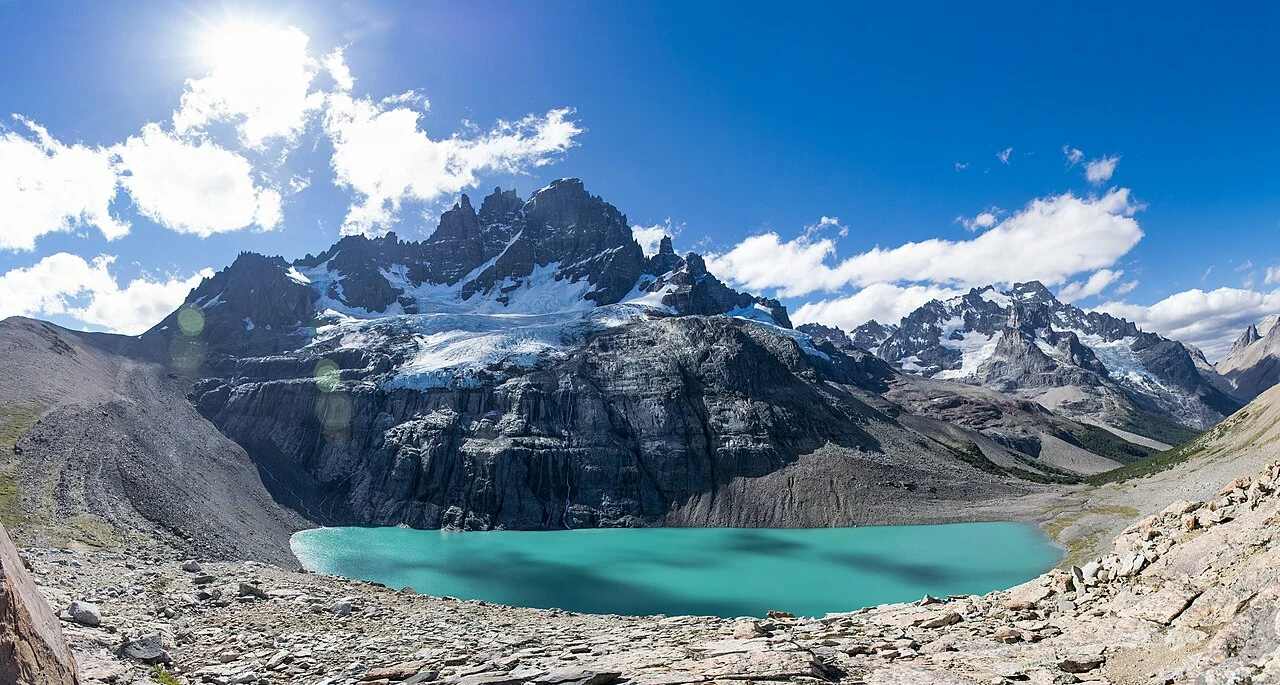 Expedition
Trek and camp among mountains, glacial landscapes and immense open skies.
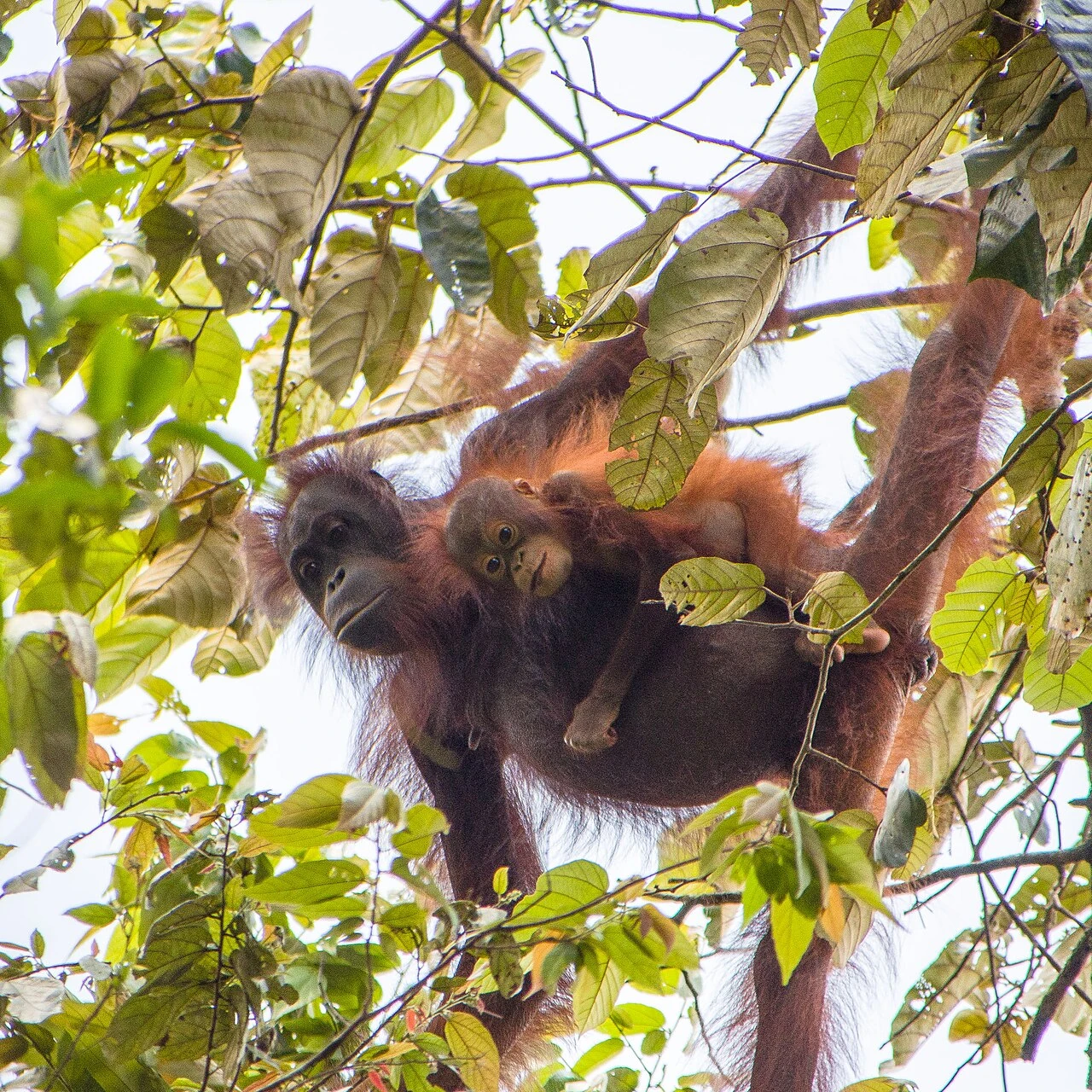 Conservation + Expedition
Connect forest restoration with river exploration and rainforest camp life.
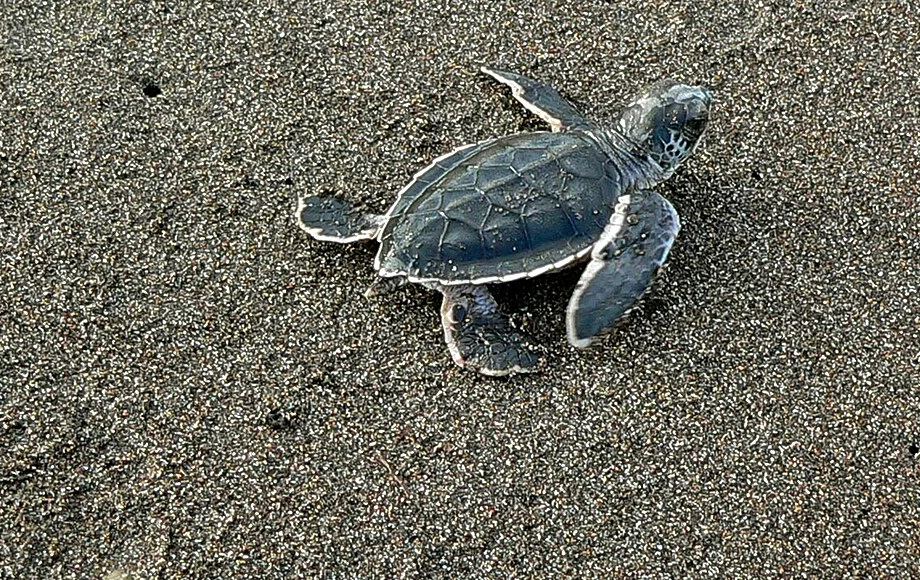 Conservation + Expedition
Link coastal conservation with a substantial rainforest and river journey.
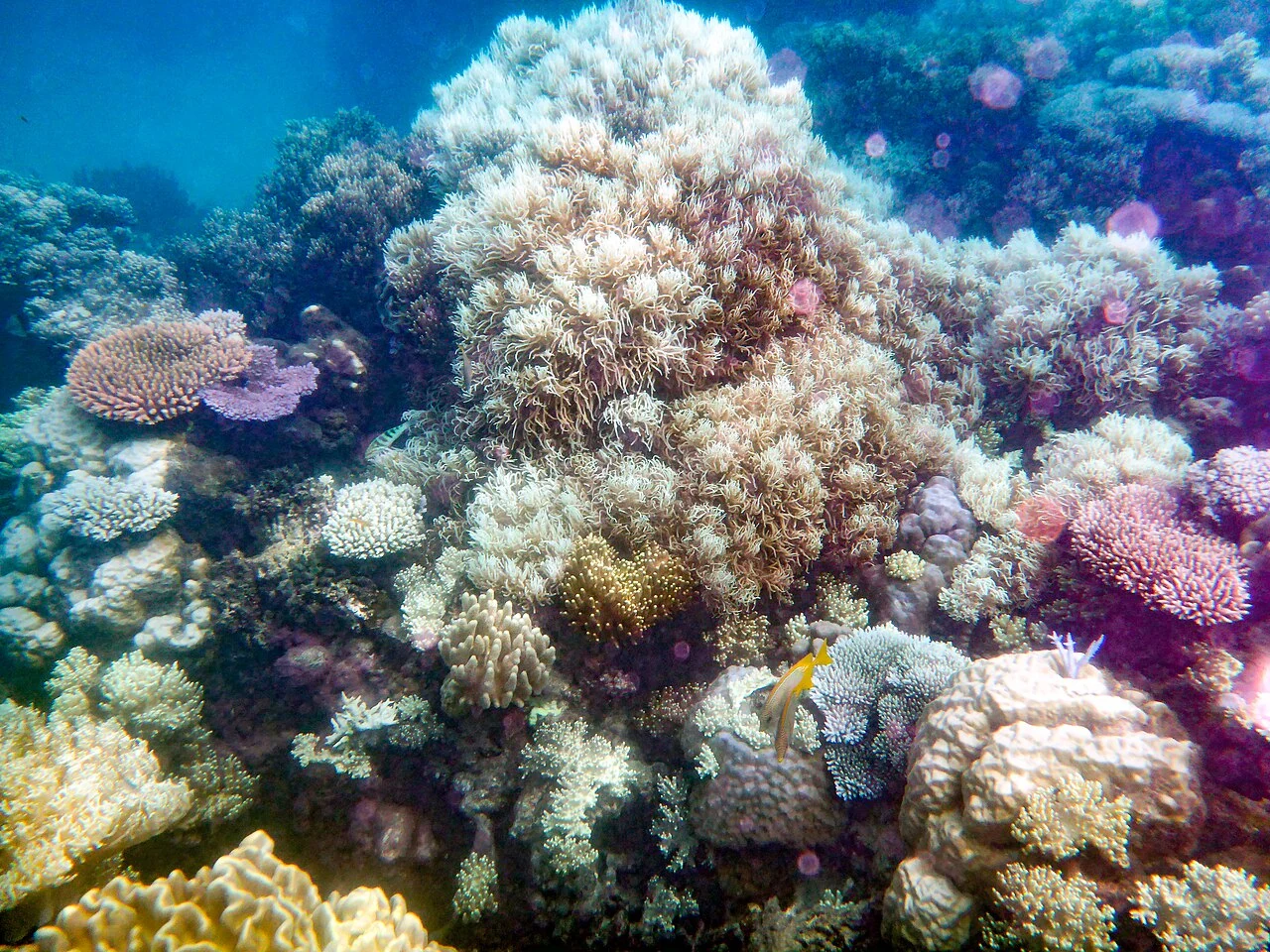 Conservation + Expedition
Journey through a seascape while investigating the habitats beneath it.
 Conservation + Expedition
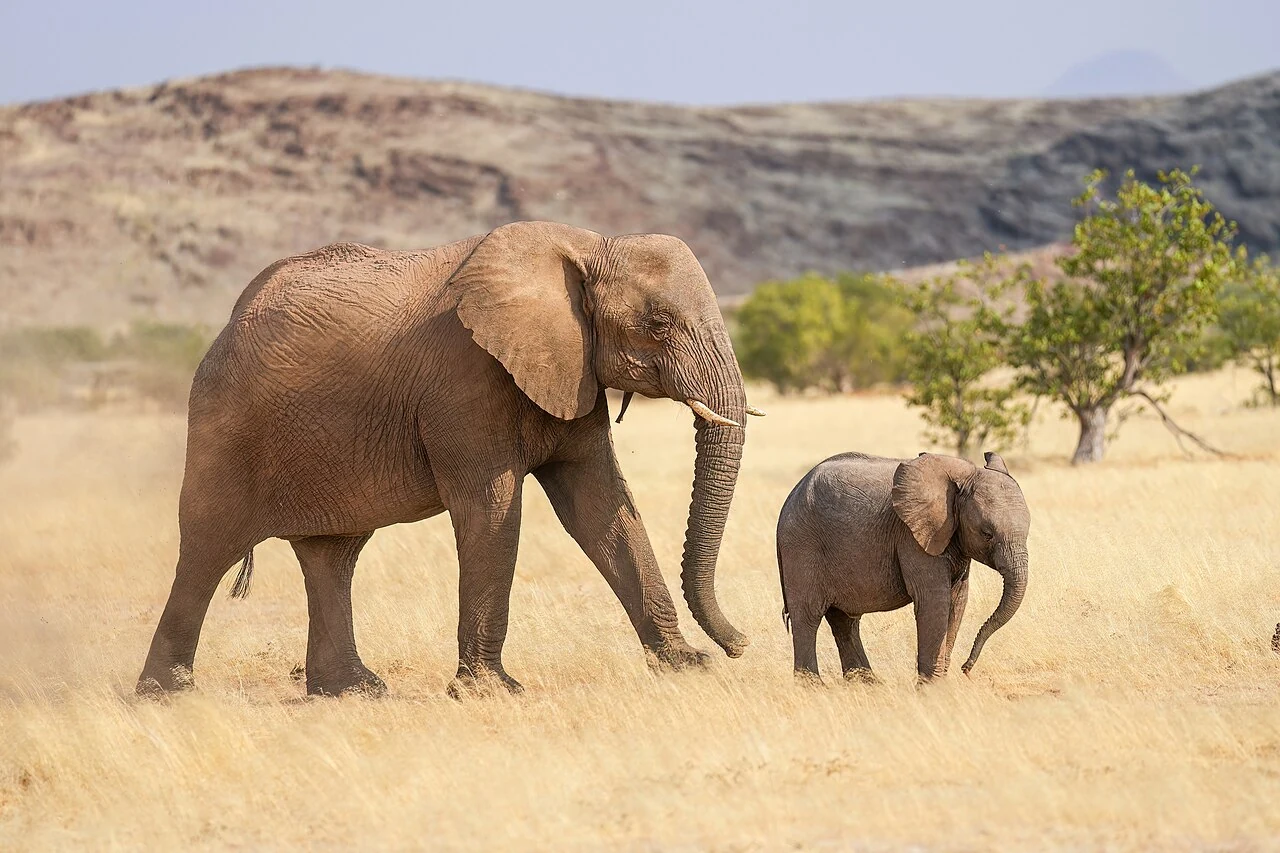
Connect elephant–human coexistence with a journey through desert riverbeds.
No journeys match this combination yet.
These programmes are in development, with no confirmed departures. Final itineraries, activities, ages, dates and group sizes will be agreed with schools and delivery partners. Wildlife encounters are variable, and animal welfare comes first.
Real fieldwork.
Real scientists.
Real place.
What makes conservation meaningful
In Conservation and combined programmes, activities are selected for genuine scientific or conservation value. The field team defines the need, the appropriate student role and how the work will be used.
Animal welfare and ecological integrity always outrank participant experience.
Examples depend on the destination, season and agreed programme. Specialist handling and interventions remain with qualified professionals. Expedition routes focus on learning and responsible exploration; observation alone is not presented as a research contribution.
For schools
A proposition that connects field science, geography, biology, sustainability, global citizenship and personal development — while giving pupils a reason to care beyond the curriculum.
Access is at our core
Our bursary ambition
Our ambition is for one in 20 places to be bursary-funded, providing access to young people who could not otherwise take part.
Our long-term ambition is simple: a young person's ability to participate should depend on curiosity and commitment — not their parents' income.
We are developing the funding model across all three routes. Local and UK nature experiences also have a place in widening access.
Support the access missionThe bigger vision
Young people can begin at different ages and return through different routes. The ambition is a relationship with nature that grows with them.
Discover wildlife, wild places and a sense of belonging.
Build knowledge, outdoor confidence and practical ways to care.
Choose a local project, volunteer or share what you have learned.
Return, study, contribute or simply make nature part of everyday life.
Help the next generation find its own connection.
We want to understand what changes after the journey: connection to nature, confidence to act and continued care over time.
Before the first step
We are developing the first programmes and welcoming conversations with founding schools and delivery partners. The destinations shown remain subject to programme development. Dates, prices, final activities and booking arrangements will be published once agreed.
Our initial focus is school-age young people, with early programme development centred on secondary-school groups. Ages, group size, physical challenge and the time away will be agreed for each programme with the school and specialist delivery team.
No. An interest in wildlife, curiosity about a place or the wish to try an expedition can all be a starting point. Preparation is designed around the route and the group, with room for learning and reflection throughout.
Observing wildlife in its habitat, learning from the people protecting it and taking part appropriately. We do not promise sightings or engineer contact for photographs. There should be several rewarding ways to experience an ecosystem, even when a particular animal is not seen.
Participants are encouraged to choose an achievable Impact Project and stay involved. That might mean habitat care at home, citizen science, a school project or later reconnection with the field team. The aim is continued care, expressed in ways that matter to each young person.
The invitation
We are seeking founding schools, conservation and expedition partners, and supporters who want to help create something extraordinary from the beginning.
hello@ardenearth.co.uk